
After decades of American and international landscape architecture and landscape experience, I concluded there was more to landscape architecture than science, horticulture, botany, hardscape and design.
So I started writing landscape stories—a genre nobody has ever heard of. This year I have finished my first series entitled ‘The Landscape Architect’.

The series has six books that trace the career of a landscape architect from university through retirement. In these books, the American protagonist, in his own words, addresses head-on all life’s twists and turns, seeking, as we all do, a healthy balance between personal life and work.
But, that balance can rarely be achieved because the protagonist constantly faces, in the Western European, North African and Middle Eastern places he lives and works, enigmatic challenges from those strange cultures and even stranger landscapes.
🍀!🎉!To celebrate the completion of that series, I offer free to everyone, the e-book version of book three, Yenbo Palms, where the protagonist, suffering from an horrendous family disaster at home in the USA, goes far, far away to work on a huge project in Saudi Arabia. Click on the following safe link to download the FREE Yenbo Palms e-book. https://bit.ly/4qBM3c1

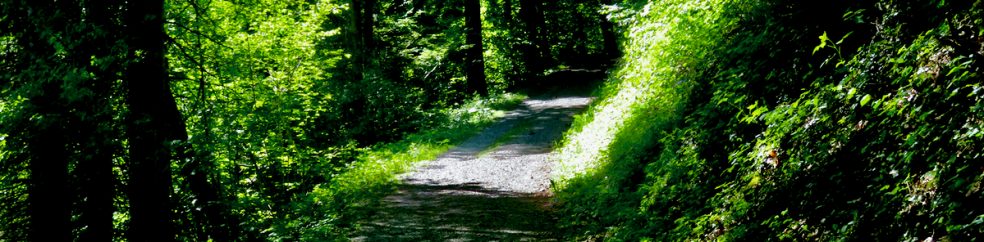
Beautiful, inspiring… until you listen to local people describing it… then it, the landscape, becomes enigmatic—IRL mystifying.


